The Psychology Behind Bluffing
Bluffing in poker transcends mere strategy; it embodies a psychological interplay that requires players to navigate the intricate minds of their opponents. Understanding your adversaries’ mental states is paramount, as it allows you to exploit their emotions and thoughts effectively. During a hand, be vigilant in observing your opponents’ betting patterns, body language, and reactions. Many enthusiasts find valuable insights on this site that can enhance their ability to read the atmosphere and gauge the tension at the table.
Furthermore, successful bluffing relies heavily on your ability to project confidence while maintaining composure. Your objective when bluffing is to convincingly portray the strength of your hand. By adopting a steady posture, controlling your tone of voice, and avoiding any nervous fidgeting, you can significantly enhance your credibility as a player. This psychological projection instills doubt in your opponents’ minds, nudging them toward folding their potentially strong hands, which can dramatically shift the dynamics of the game in your favor.
Additionally, mastering the art of bluffing involves establishing a consistent persona at the table. By varying your gameplay habits and occasionally revealing strong hands when you hold them, you create an unpredictable image that complicates your opponents’ ability to discern your true strategy. This psychological engagement fosters high-stakes decision-making and deepens your connection with the game, making you a formidable presence at the poker table.
The Timing of a Bluff
Understanding the optimal timing for a bluff is crucial to effective poker strategy. The timing can either solidify or dismantle a bluff; executing it too early or too late can lead to lost chips and eroded credibility. An ideal moment for a bluff often arises when the community cards on the table do not seem to connect well with the perceived hands of your opponents. For instance, if the board displays low cards, a bold bet might suggest that you possess a strong hand, despite actually holding a weak one. This misrepresentation is key to a successful bluff.
Bluffing from a late position can also yield significant advantages. When you are among the last players to act, you gain valuable insights from observing the actions of others before making your move. This observation allows you to tailor your bluff based on the tendencies and confidence levels of your opponents, increasing the likelihood of a successful outcome. The more information you gather about your opponents, the better equipped you will be to execute a convincing bluff that can lead to a favorable result.
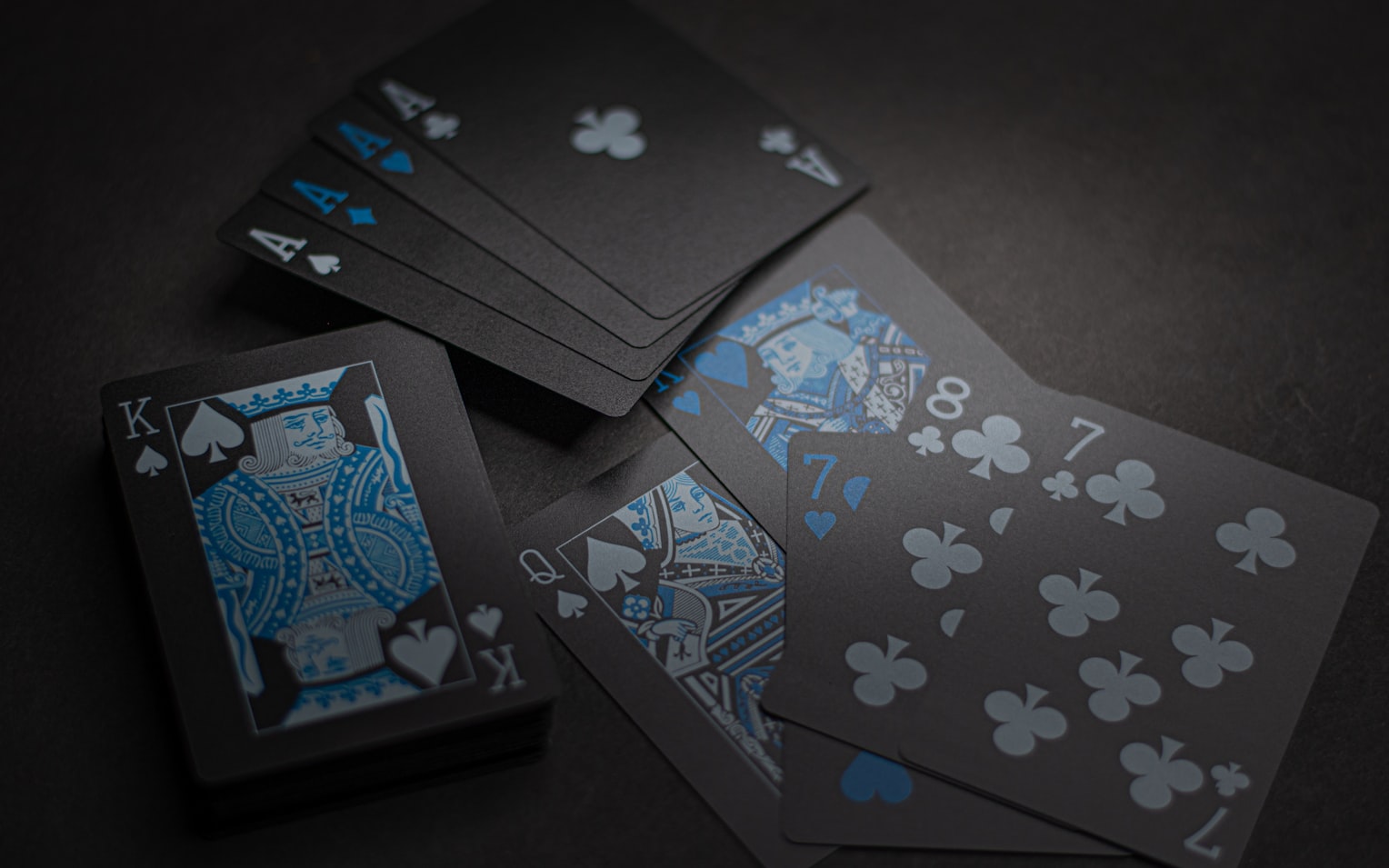
Moreover, bluffing is often most effective following a series of passive bets. If the betting has been minimal and the atmosphere appears calm, a sudden, aggressive raise from you may signal strength, compelling your opponents to reconsider their hands. This strategic approach keeps your opponents guessing and creates the perfect backdrop for implementing your bluff, turning the tables in your favor during crucial moments of the game.
Types of Bluffs in Poker
Players can employ various types of bluffs in poker, each serving a distinct purpose and requiring a different level of risk and strategy. A common type is the pure bluff, where a player bets or raises without a strong hand, relying entirely on the chance that opponents will fold. This type of bluff is best executed when community cards suggest that a strong hand is possible, allowing you to maintain a façade of confidence and strength. However, it demands a keen awareness of your opponents’ tendencies for optimal effectiveness.
An alternative and often more nuanced strategy is the semi-bluff. In this scenario, a player bets with a hand that is not currently strong but has potential for improvement. For example, holding a flush draw means that if the right cards are drawn, you could ultimately create a formidable hand. If your opponents choose to fold, you win the pot immediately; if they call, the pressure may intimidate them once the draw completes. This dual pathway to victory makes semi-bluffing a versatile and powerful technique to master.
Lastly, the value bluff is an advanced strategy employed when a player suspects they have the best hand but wishes to extract more value from their opponents. Instead of betting purely for value, a player might choose to bluff in a way that suggests a stronger hand, enticing their opponents to make larger calls or raises. This method requires a nuanced understanding of both your hand’s strength and your opponents’ possible holdings, thus enhancing your overall poker strategy and raising the stakes of the game.
Managing Your Image at the Table
Your table image plays a pivotal role in determining the effectiveness of your bluffs. If you have consistently played conservatively, your sudden aggressive bets will likely carry more weight. Opponents are more inclined to respect your bets if they perceive you as a cautious player who only bets with substantial hands. Conversely, a player known for frequently bluffing may struggle to convince others when they genuinely have a strong hand. Therefore, managing your table image becomes a strategic necessity in mastering the art of poker.

Recognizing how shifts in your image can influence your opponents’ approach is equally essential. As you cultivate a reputation, astute players will adapt their strategies to counter yours. It is crucial to manage this dynamic by occasionally deviating from your established patterns. For instance, if you have been playing aggressively, returning to a more conservative style for a while can reignite your opponents’ uncertainty, making future bluffs significantly more effective.
Creating an unpredictable image is key to maintaining an advantage. By skillfully balancing between aggressive bluffs and solid hands, you can keep your opponents on their toes. This unpredictability not only enhances your bluffing potential but also fosters a more dynamic game environment that elevates the overall poker experience. The psychological interplay of player images at the table is an intriguing aspect of poker strategy that warrants careful consideration and tactical execution.
Exploring Online Resources and Communities
In today’s digital landscape, mastering the art of poker bluffing has become more accessible than ever, thanks to an abundance of online resources and communities dedicated to the game. Numerous websites, forums, and social media platforms offer invaluable insights, advice, and strategies from seasoned players and poker professionals. Engaging with these resources can enhance your understanding of bluffing techniques, strategic approaches, and the psychology that underpins successful gameplay. Tapping into these vibrant communities allows you to learn from shared experiences and gain fresh perspectives that can elevate your poker skills.
Moreover, participation in online poker workshops and webinars can provide hands-on training from experts in the field. These educational platforms create opportunities for you to practice bluffing skills in low-risk environments, allowing you to refine your techniques before applying them in real-world settings. Additionally, many platforms offer simulated poker games, enabling you to experiment with bluffing strategies without financial risk, which is crucial for honing your skills.
Ultimately, becoming proficient in bluffing requires dedication and practice. By leveraging the wealth of resources available online and engaging with a community of fellow poker enthusiasts, you can significantly elevate your game. The internet serves as a treasure trove of information, allowing you to connect with others who share your passion and explore a diverse array of strategies that can transform your overall poker experience into an exciting journey of skill development and personal growth.